

 EN
EN


Although flying with kids can be very exciting, it is similarly overwhelming. If you’re embarking on a family vacation or sending your child on a solo trip, understanding the rules for flying with minors is crucial. Flying with kids requires extra preparation and awareness of specific guidelines to ensure a smooth journey.
Knowing what proof you need for a child to fly, from age restrictions to documentation, is important; these include consent forms and identification if flying without a parent. Understanding these rules will go a long way in making the experience much safer and more enjoyable for all persons concerned.
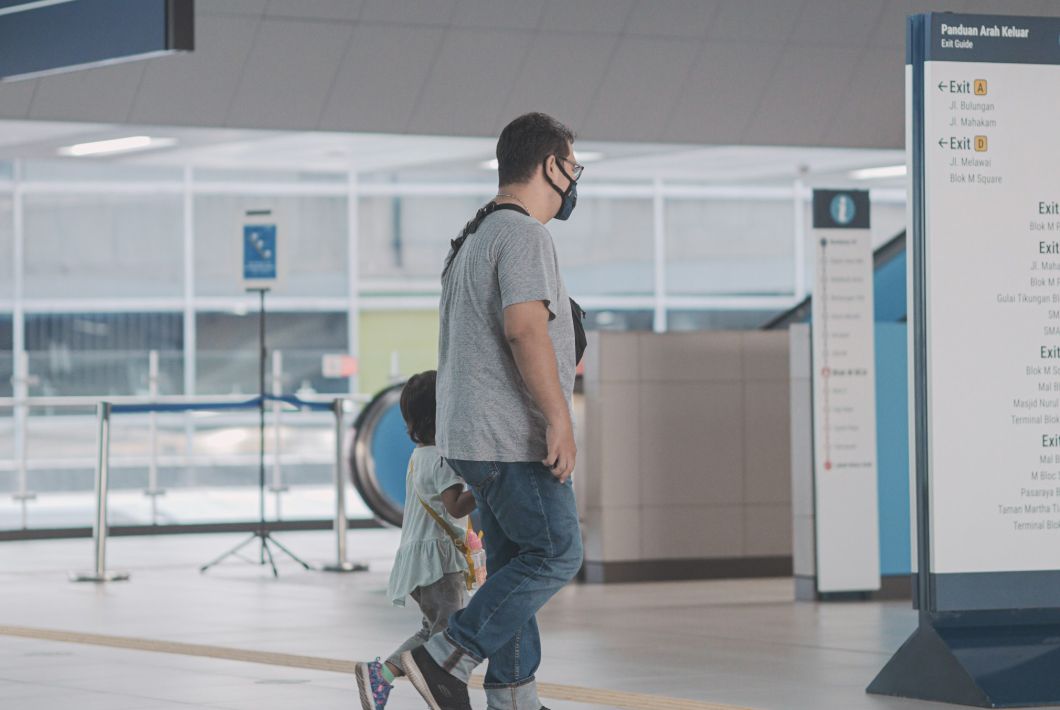
Photo by Indra Suganda on Unsplash
Booking Tickets for Children
Whenever you book a flight, make sure you state the age of the child and get the correct fare. Sometimes airlines require additional documentation depending on the age of the child and the travel scenario. In the EU, for example, children need valid identification, including a passport, birth certificate or identity card. They may also need a visa or written permission from a second parent to leave the country. Please note that these documents must be available at the time of check-in or boarding; failure to produce them will delay your journey.
For entertainment, most airlines have activity kits that include colouring books, puzzles or even small toys to keep young travellers occupied. Parents are also advised to bring some snacks, as the child may refuse the in-flight meal. Note that water is free on board, so there is no need to spend money at the airport.
Rules for Flying with Children Under 2
Does a Baby Need a Ticket?
Infants under 2 years may travel free, or at a greatly reduced fare, if they sit on parent's lap. To buy an extra seat and have a separate seat for the infant for comfort and safety you'll have to pay for a child fare ticket.
Can Newborns Fly?
Yes, but usually, airlines allow newborns to fly only if they are at least 7 days old. There are a few exceptions in the case of a medical emergency, and it is best to check with the airline and a pediatrician before flying with a newborn.
Tips for the Journey with an Infant
- Book Night Flights: There is a higher likelihood that babies will sleep through the night, hence making it less stressful for parents and the babies themselves during the flight.
- Manage Ear Pressure: During takeoff and landing, a pacifier, bottle, or breastfeeding may help ease discomfort.
- Dress Comfortably: Dress your infant in layers to adjust for changing cabin temperatures.
- Pack Essentials: Pack a healthy supply of diapers, formula, and baby food, accompanied by boxes of wipes. Supplies onboard usually aren't that vast or well-stocked; it is always better to overestimate.
- Carry-on Bassinets: Most airlines will allow parents to bring a bassinet with them for no additional charge, or provide one to use for the duration of the flight. Check with your airline for specific policies.
Flying with Toddlers (1-2 Years Old)
Toddlers can either sit on a parent’s lap or occupy their own seat with a child restraint system. While lap travel is often free or heavily discounted, purchasing a seat provides more comfort and safety for active toddlers.
Money-Saving Tip
Plan your trip so your child does not turn 2 years old mid-journey. Once they hit their second birthday, they’ll require their own seat, and the discount for infants no longer applies.
Safety Regulations
Adults traveling with toddlers cannot sit in exit rows due to safety regulations. Ensure you select seats during booking that accommodate child travel.

Photo by Tomas Martinez on Unsplash
Flying with Children Aged 2-12
Seat Requirements
Children between this age bracket fly in their independent seat, and the fare usually comes up to about 75% of the full fare. Have your child's seatbelt securely fastened at all times, especially during the takeoff and landing parts and when turbulence strikes.
Baggage Allowance
Children usually have the same allowance as adults for checked and carry-on luggage, but there are some variation depending on airlines. Example:
- Emirates: 20 kg maximum.
- Lufthansa: 23 kg maximum.
- Ryanair: For infants under 2 years is limited to 5 kg.
Check the baggage policy of your airline during the time of booking so you don't have any surprises sprung on you at the airport.
Amusement and Comfort
Bring favourite toys, books, or a tablet filled with cartoons and games. Most of the Wi-Fi enabled flights permit movie, television, and education apps which older children can easily download.
Sending a Child on a Flight Without Parents
For solo travel, if it cannot be avoided, most airlines will permit a child to travel using an unaccompanied minor service. Such a service ensures that a child between 5-12 years is looked after along his/her journey and handed over to the designated guardian at the destination.
What's Required?
To send an unaccompanied child you will need the following:
- A valid ticket.
- Identification for the child.
- A notarized statement from parents/guardians allowing the child to travel.
- Pre-arranged escort service through the airline.
For instance:
- Lufthansa allows solo travel for children aged 5-17, with optional escort services for older teenagers.
- Emirates has an escort service for children from 5-16 years. This service is usually provided at an extra cost.
Please note that fees and policies do vary by airline for unaccompanied minors, so it's crucial that details be verified at the time of booking.
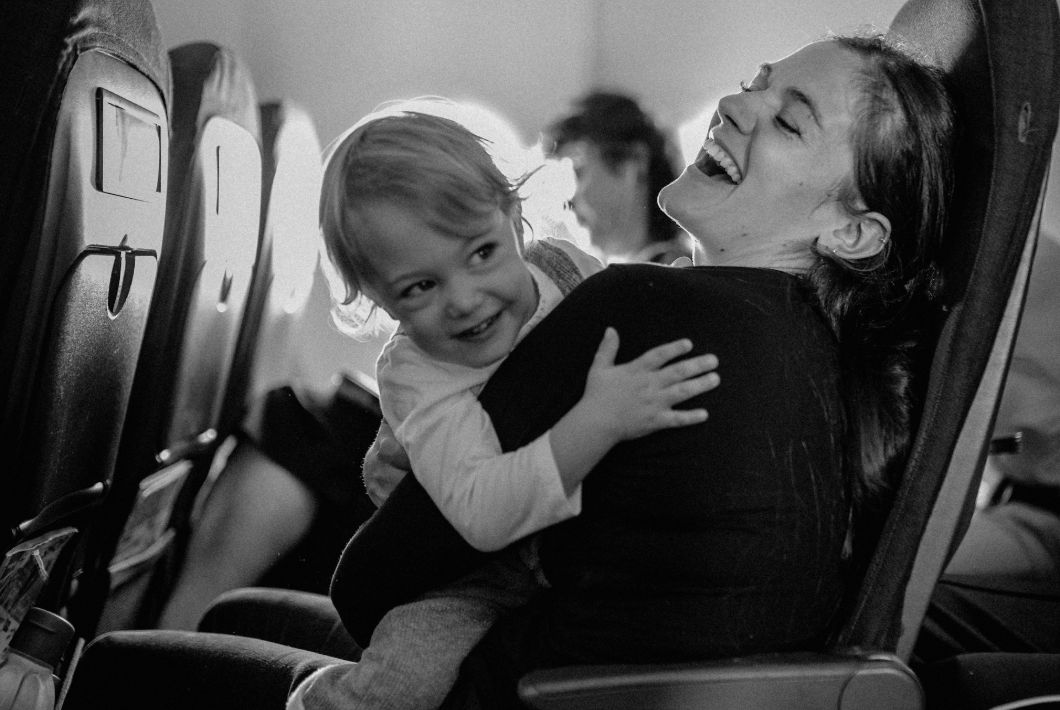
Photo by lucas Favre on Unsplash
Citizenship for Babies Born on Flights
One of the most interesting questions about air travel is that of the citizenship of a baby born mid-flight. The answer depends upon the laws of the countries involved:
- Jus Soli: This is a Latin phrase that literally means the right of the soil. In this case, the child becomes a citizen over whose airspace they were born.
- Jus Sanguinis: This usually refers to the right of blood, meaning that a child attains citizenship through the nationality of the parents.
Furthermore, the country of origin or destination of the airline can also influence the citizenship choices. So as not to get into troubles, most airlines do not allow women to fly when their pregnancy is advanced.
Summary of Airline Rules by Age
ANA
- 0-2 Years: Infant fare; baby amenities.
- 2-4 Years: Child fare; parental escort.
- 5-12 Years: Escort service optional.
- 12+ Years: Solo travel from age 14.
Qatar Airways
- 0-2 Years: Lap fare; max 2 children per adult.
- 2-4 Years: Child fare; mandatory escort.
- 5-12 Years: Unaccompanied minors allowed.
- 12+ Years: Adult fare applies.
Lufthansa
- 0-2 Years: Lap fare; free car seat.
- 2-4 Years: Child fare.
- 5-12 Years: Escort service for minors.
- 12+ Years: Solo travel from age 12.
Final Tips for Flying with Children
- Arrive Early: Give yourself extra time for check-in and security.
- Reserve Seats: Book window seats for curious little ones or aisle seats for frequent bathroom trips.
- Stay Calm: Expect some challenges and plan for distractions, snacks, and toys.
- Check Policies: Verify airline-specific rules for baggage, car seats, and strollers.
With proper preparation, air travel with children can be a smooth and enjoyable experience for the whole family.