

 EN
EN


If you are planning an international trip with your baby or toddler, you're probably wondering: do kids under 2 fly free? Flying with kids can be costly, so it's important to consider airline policies and safety recommendations before booking a ticket.
Do Babies Fly Free on International Flights?
On domestic flights within the United States, children under the age of 2 usually fly free as "lap infants. This means that a parent or guardian must hold them on their lap for the entire flight. International flights are different.
While most airlines will allow a lap infant to fly free on domestic flights, there is usually at least some sort of charge for international flights. Many airlines charge around 10% of the adult fare plus applicable taxes for the infant, who of course does not have his or her own seat. There are also taxes and sometimes fees depending on the destination or airline. Some airlines may offer a discount if the infant occupies his or her seat, but again, these policies vary widely from airline to airline.
What Are Lap Infants?
A lap infant is a child under 2 who does not have their own seat. They sit on a parent or guardian’s lap for the duration of the flight. This option is more affordable but may not be the most comfortable, especially for long-haul flights.
Do Infants Need Their Own Seat?
Parents can choose to buy a separate seat for their infant. This is recommended for safety and comfort. If you buy a seat for your baby, you will need to bring an FAA-approved car seat. Airlines often offer discounts for children’s tickets, but these vary by carrier. Additionally, securing a seat for your child can provide a safer and more restful travel experience.
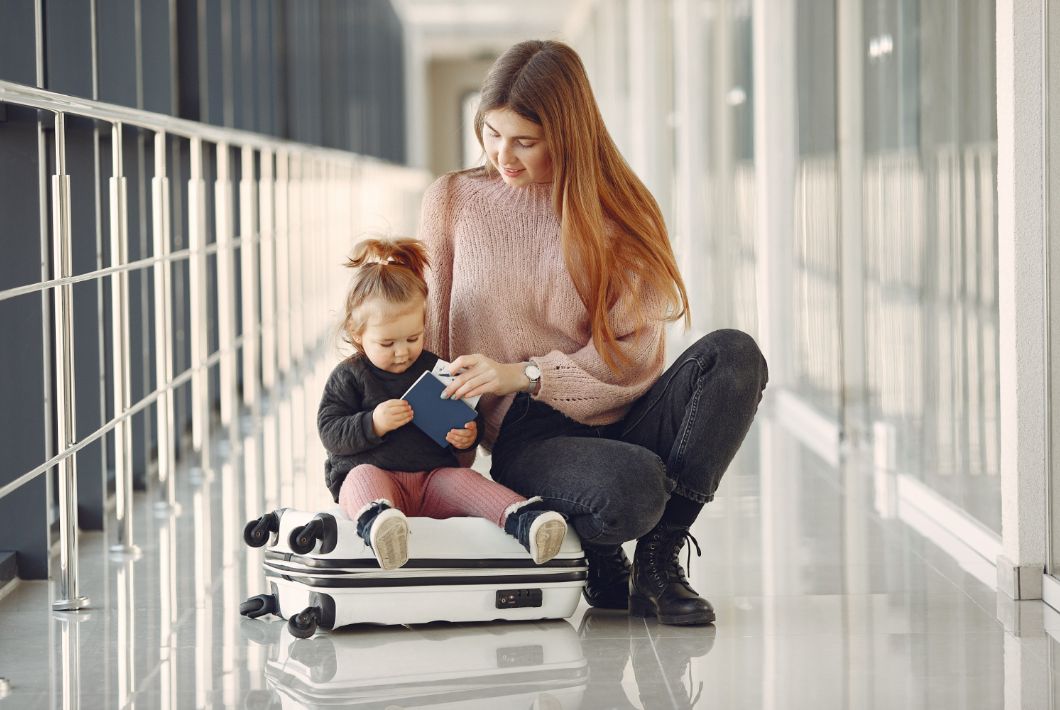
Is It Safer to Buy a Seat for Your Baby?
Most airlines allow them, but it's strongly encouraged by professionals that parents pay for a seat for their babies on their own. You will feel quite secure with the baby in your arms, but turbulence might have its jags, making traveling unsafe. For example, according to some researches, unrestrained kids are believed to be the main factor in pediatric airplane-related traumas and injuries. And, terribly, there are those when the lap babies resulted in grave injury or even death from turbulence.
Recommendations to restraint young children with an approved child restraint system were provided by all the concerned organisations like the American Academy of Pediatrics, the FAA, and NTSB during air travels. Infants or toddlers can definitely be far more secure by simply putting them into their tightly fixed seat instead of having them rest on somebody's arm or shoulder.
How to Secure a Baby on a Plane
If you wish to book a separate seat for your infant then you will have to carry an FAA-approved child restraint system. Your choices are as follows:
- Child Car Seat: You can carry an approved car seat on board, to be used in your child's own seat if it is approved for use in both motor vehicles and aircraft.
- CARES Harness: This is a type of harness, manufactured by AmSafe, called the Child Aviation Restraint System, which is approved by the FAA. It is intended for children who are above a year old and whose weight lies in the range of 22 to 44 pounds. It offers extra security without the need to bring that bulky car seat of your child along.
Check with your airline before you fly to see if there are any restrictions or requirements regarding the use of a car seat or restraint system on a plane, as some may have their own policies on keeping children safe onboard.
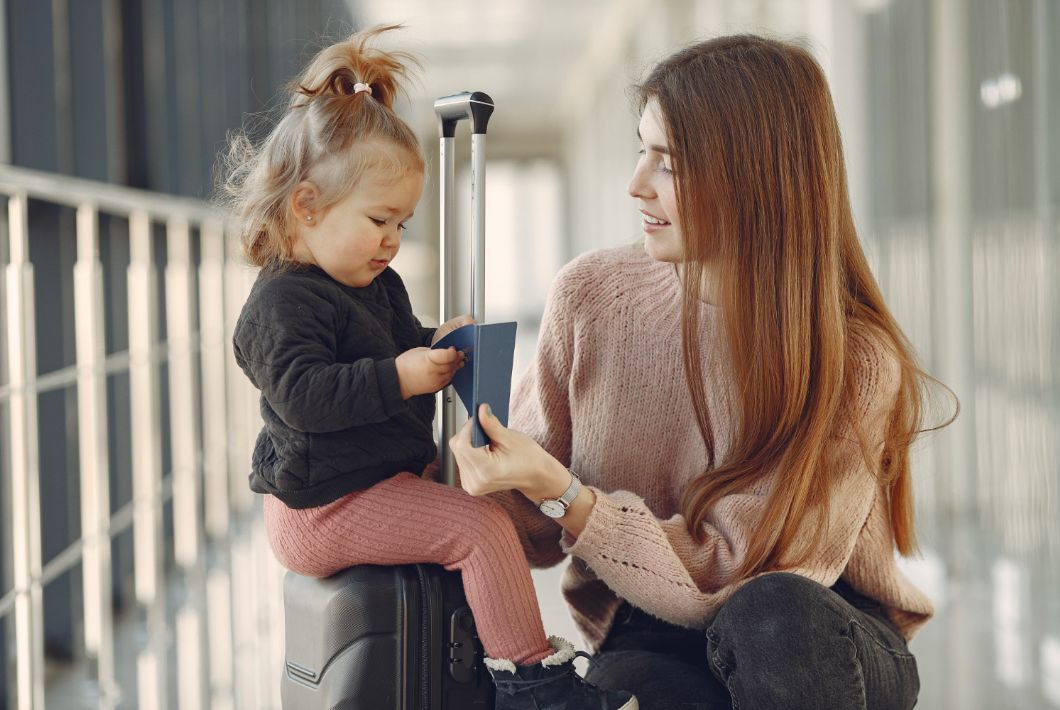
Other Benefits of Booking a Seat for Your Baby
While the additional cost may be a hassle, it has several advantages if you buy a separate seat for your baby:
- Comfort: Babies and toddlers often find it easier to settle down being in their own seat rather than being held for long periods.
- Better Sleep: A baby who is secured in a car seat is in deep sleep, rather than being on the parent's lap.
- Convenience to Parents: The space designated for the baby makes feeding, changing, and entertaining rather easy during the flight.
Documentation Required for International Travel with Infants
When traveling internationally with an infant, you will need proper documentation. Requirements vary by country, but generally, the proofs you need for a child to fly include:
- Travel Documents: Each child, regardless of age, is required to have a valid passport to travel abroad.
- Visa: Some countries require visas even for small children, where applicable.
- Birth Certificate: Not always needed, but a birth certificate can be a good way to prove your child's age.
- Parental Consent Forms: Most countries require a notarized letter of consent from the other parent if one parent will be traveling solely with the child.
You need to consult with the embassy of the country you are traveling to regarding traveling documents that are required for a child.
Tips for Flying Internationally with a Baby
- Check Airline Policies: Policies regarding lap infants and child fares vary from airline to airline. Check out their respective guidelines before making a booking.
- Book Early: With some airlines having only a few seating options for families, the earlier you can reserve your seats, the better your arrangement will be.
- Choose the Right Flight Time: Book flights that would be closest to their nap or bedtime to increase the chances of an easy journey.
- Pack essentials in your carry-on: Diapers, wipes, clothes, snacks, and toys will help to keep your baby comfortable and/or entertained.
- Bassinet Seats: Opt for bassinets, if possible, on long-distance flights. This gives your baby more comfort in lying down.
- Be Prepared for Security Checks: Be prepared to take your baby out of their carrier or stroller to pass through airport security.
- Noise-cancelling headphones: Planes get pretty loud and noise-cancelling headphones or earmuffs help block out the noise to let your baby sleep.
- Food and Drinks During Takeoff and Landing: Ear pressures during changes in altitude can be cut using a bottle, breastfeeding, or even a pacifier.
Though most children under 2 can fly domestically for free, international flights often charge more. While allowed, experts highly advise against having a lap infant because this is unsafe, and one should purchase a separate seat and use a child restraint system.
Purchasing a ticket for the baby will increase safety but also make the journey much more comfortable and less stressful for the parents and the babies.